

When parents begin looking for speech therapy services, one of the first decisions they face is whether to choose a clinic-based speech therapist or an in-home speech therapist.
Both service delivery models can help children improve their communication skills. However, for many toddlers and preschoolers, therapy provided in the home environment offers unique advantages that can support faster carryover, greater family involvement, and more meaningful communication opportunities.
As a pediatric speech-language pathologist serving families throughout Leander, Cedar Park, and surrounding Central Texas communities, I provide exclusively in-home speech therapy services. Here's why.
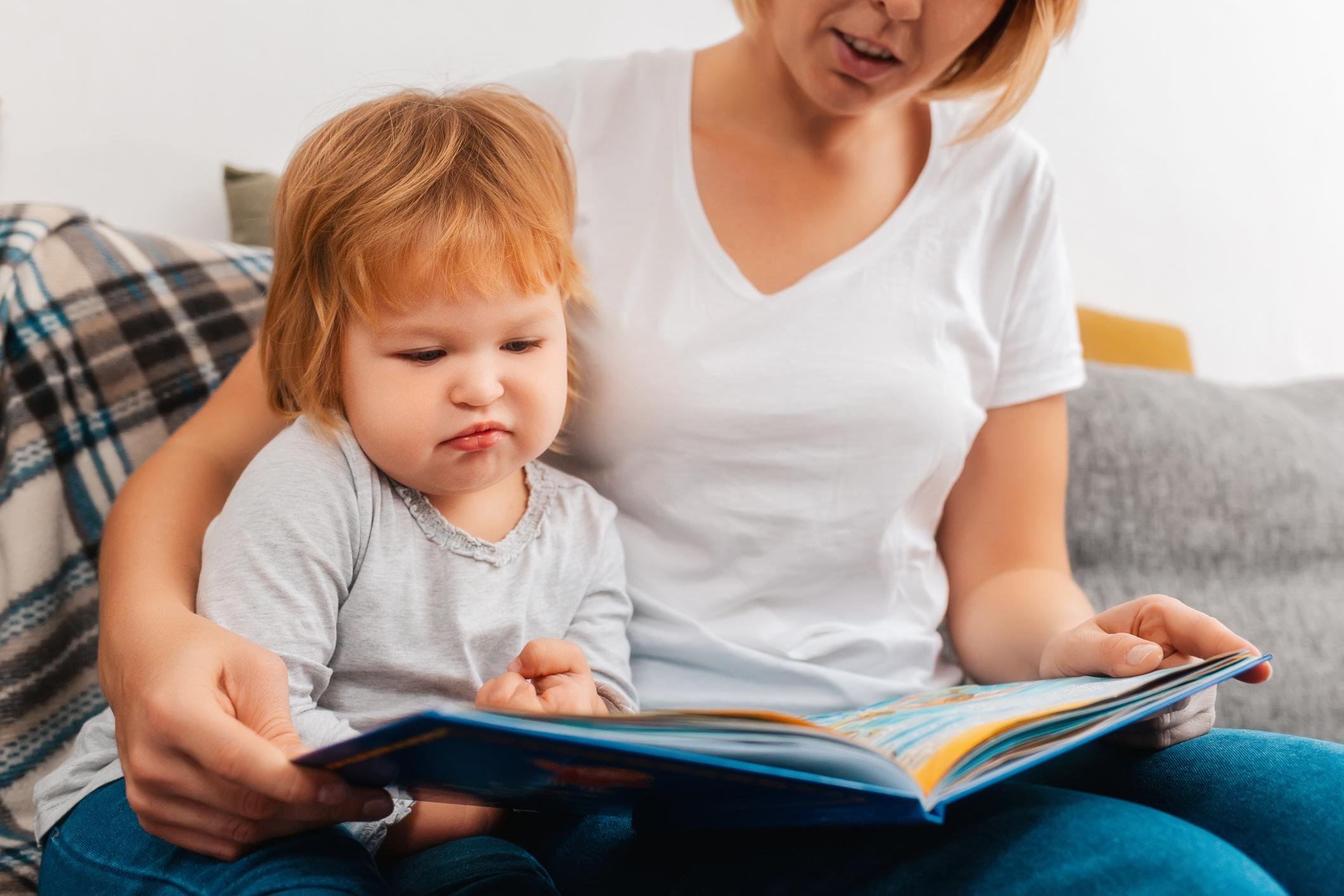
One of the greatest benefits of in-home speech therapy is the opportunity for Caregivers to observe strategies in real time and learn how to support communication throughout daily routines.
Communication Happens at Home
Children do not learn communication skills in isolation.
They learn to communicate while requesting snacks in the kitchen, asking for help with toys in the living room, participating in bedtime routines, and interacting with family members throughout the day.
When therapy takes place in a clinic, children may demonstrate skills during the session but struggle to use those same skills once they return home.
In-home speech therapy allows intervention to occur in the environments where communication naturally happens every day. For many families, speech therapy at home creates opportunities for practice that are difficult to replicate in other settings. This often leads to stronger carryover and more meaningful progress.
Therapy Uses Your Child's Real Toys and Real Routines
One of the greatest benefits of home-based speech therapy is that therapy can be built around the materials and routines your child already knows and enjoys.
Rather than relying exclusively on clinic toys, we can use:
Favorite books
Preferred toys
Snack time
Bath time routines
Outdoor play
Family activities
Since these materials are already meaningful to your child, they often increase motivation and engagement while making it easier for families to continue practicing between sessions.
Parents and Caregivers Become Part of the Therapy Team
Research consistently shows that Caregiver involvement is one of the strongest predictors of successful outcomes in early intervention.
During in-home speech therapy sessions, parents, grandparents, nannies, and other Caregivers have opportunities to observe strategies in real time and learn how to support communication throughout daily routines.
Instead of receiving a brief summary at the end of a clinic visit, Caregivers can see exactly how techniques are implemented and receive coaching that is individualized to their child's needs.
This collaborative approach often leads to greater confidence and consistency between therapy sessions.
A More Personalized Therapy Experience
The structure of speech therapy services can vary significantly from one provider to another. Some larger clinics may serve a high volume of families across multiple therapists and locations, while smaller private practices often maintain a more limited caseload.
At Speechie Auntie, maintaining a smaller caseload allows me to build strong relationships with the children and families I serve. This means I can spend time getting to know each child's interests, strengths, routines, and communication needs while providing individualized recommendations that are tailored to their daily life.
For many families, this continuity and personalized approach can make it easier to collaborate, monitor progress, and carry over strategies between therapy sessions.
Over the years, I have found that some of the most meaningful progress occurs when therapy strategies can be demonstrated and practiced within a child's everyday routines, allowing families to feel confident supporting communication between sessions.
Children Are Often More Comfortable at Home
For some children, entering a new environment can be overwhelming.
This is particularly true for children who:
Have Autism Spectrum Disorder
Experience anxiety
Demonstrate sensory sensitivities
Have difficulty with transitions
Are very young
In-home therapy allows children to participate in a familiar environment where they already feel safe and comfortable.
When less energy is spent adjusting to an unfamiliar setting, more energy can be directed toward communication, play, and learning.
Therapy Can Address Real-Life Challenges
Home-based speech therapy provides opportunities to directly address challenges that may not be visible in a clinic setting.
For example, a therapist may observe:
Difficulty transitioning between activities
Challenges during mealtime routines
Limited opportunities for communication throughout the day
Environmental factors affecting participation
Family routines that can be modified to support language development
These observations help create intervention plans that are practical, individualized, and relevant to daily life.
Home-Based Therapy Supports Natural Language Development
Young children learn best through meaningful interactions with familiar people in natural environments.
Rather than practicing communication in isolated drills, in-home speech therapy allows children to develop skills during authentic activities such as:
Playing with siblings
Reading books
Preparing snacks
Cleaning up toys
Participating in family routines
These natural opportunities often create richer communication experiences and support functional language development.
Is In-Home Speech Therapy Right for Every Child?
Not necessarily.
Some children thrive in clinic environments and benefit from specialized equipment or group opportunities that certain clinics may provide.
However, for many toddlers and preschoolers, especially those receiving early intervention services, in-home speech therapy offers advantages that can make therapy more meaningful, practical, and effective.
The best therapy setting is the one that allows your child to learn, participate, and communicate successfully.
Looking for In-Home Speech Therapy in Leander or Cedar Park?
Speechie Auntie provides individualized, play-based in-home speech therapy services for toddlers and preschoolers throughout Leander, Cedar Park, Liberty Hill, Georgetown, Round Rock, Pflugerville, and select areas of North Austin.
Services are delivered directly in your child's home and include Caregiver coaching to help families support communication throughout everyday routines.
If you have questions about your child's speech or language development, I would be happy to help.
Written by Sonia Chowdhury Lopez, M.S., CCC-SLP
Owner and Speech-Language Pathologist at Speechie Auntie
