

WHY PARENT COACHING IS THE GAME-CHANGER IN TODDLER SPEECH THERAPY
When most people imagine speech therapy, they picture a child working individually with a speech therapist sitting one-on-one with a therapist at a table, practicing words and sounds in a quiet room. While these sessions are important, there’s another key piece of the puzzle that can be even more impactful: parent coaching. In fact, research repeatedly shows that when parents play an active role in therapy, their children tend to progress more quickly and maintain their progress over the long run. If you’re unsure whether your child’s communication is developing as expected, you can read more about early signs of speech delay in toddlers here.
As a speech therapist, I’ve seen firsthand that empowering parents is one of the most powerful strategies we can use. That’s why parent coaching is at the heart of effective speech therapy. It supports your child’s progress at every stage of their journey.
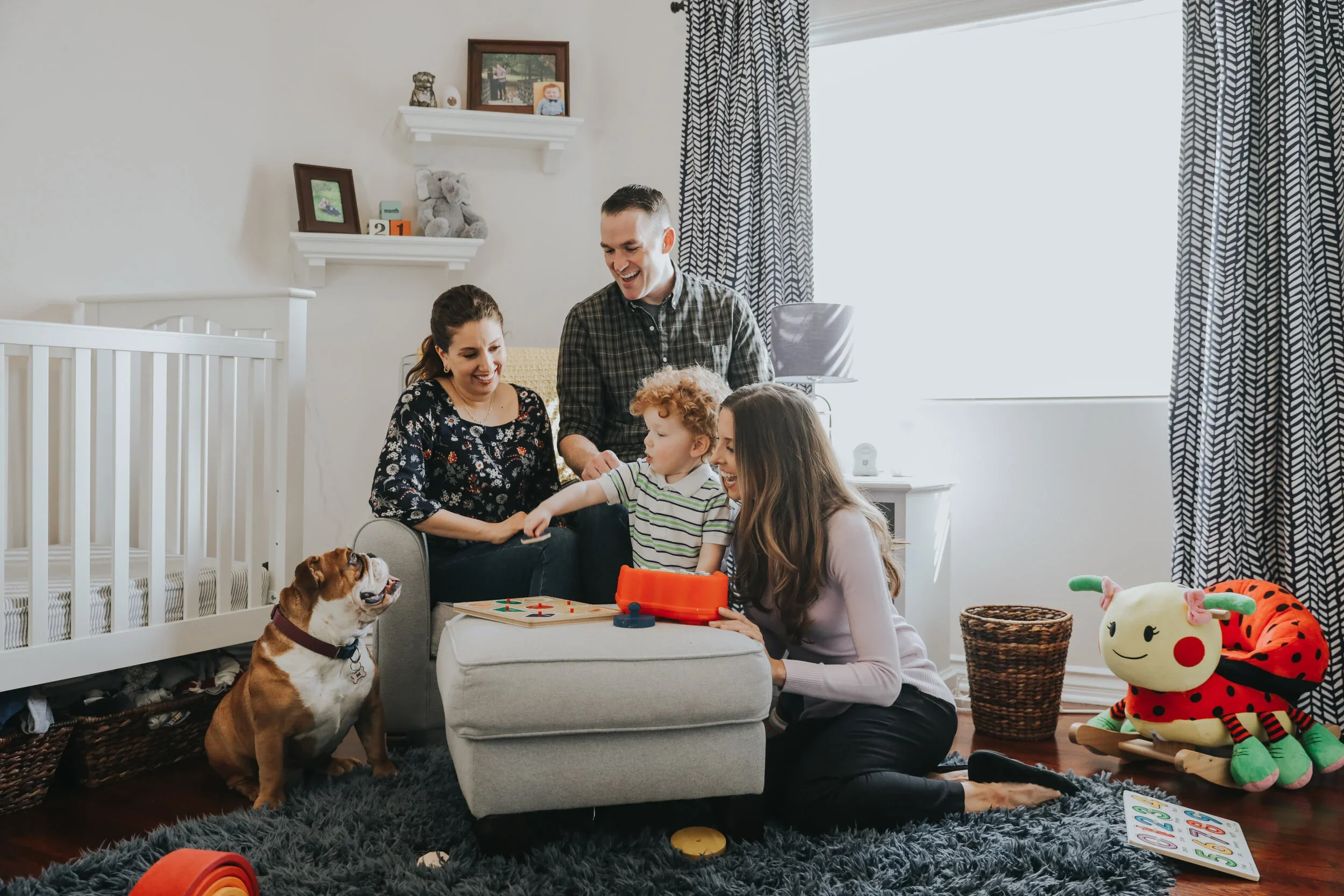
Parent coaching happens through real-life interaction and guided play.
PARENT COACHING UNPACKED: KEY DETAILS EVERY CAREGIVER SHOULD KNOW
What Is Parent Coaching in Speech Therapy?
WHAT YOU DO BETWEEN SESSIONS MATTERS THE MOST
Speech therapy sessions typically last 45 to 60 minutes, two to three times a week. However, communication doesn’t stop when the sessions end. It happens all day, every day. That’s where parent coaching comes in. By learning to integrate speech and language strategies into daily routines such as mealtime, bath time, or a visit to the playground, caregivers can help reinforce skills outside the therapy room. When parents know how to model correct speech sounds, prompt language naturally, and support social communication, they become powerful players in the therapy process. Real progress often happens between the sessions right at home.
Why Parent Coaching Accelerates Language Progress
THERAPY STRATEGIES COMES TO LIFE AT HOME
Producing a word correctly in a therapy session is one step. Using that same word during dinner or while playing with siblings is another. Parent coaching bridges the gap by helping children carry over their communication skills from therapy sessions into daily routines. When parents learn how to naturally integrate speech and language goals into everyday routines such as mealtime, bath time, or playtime, they create consistent, meaningful opportunities for practice. This kind of support at home makes therapy more effective and strengthens the outcomes. For families wondering whether therapy is needed yet, this guide explains what to expect during the toddler speech evaluation process.
How Parent Coaching Builds Caregiver Confidence
EVERYBODY WINS WHEN CONFIDENCE GROWS
Many parents start out feeling unsure about how to support their child’s speech and language development at home and that’s why they seek the help of a speech therapist. Parent coaching not only provides practical strategies but also builds the confidence to use them effectively. Together, a caregiver and speech therapist can find strategies that are realistic, culturally responsive, and tailored to your family's unique needs. When adults are engaged, responsive, and supportive, kids feel safe, empowered, and ready to progress. Children naturally absorb that sense of confidence from their parents.
The Long-Term Impact of Parent Coaching
BUILDING COMMUNICATION SKILLS THAT GROW BEYOND THERAPY SESSIONS
Speech therapy isn't just about quick fixes. It's about laying the foundation for long-term communication. Parent coaching plays a key role in making sure the progress made during therapy doesn't just plateau but continues to develop. When parents stay actively involved, they’re better equipped to recognize signs of regression early, adjust strategies as their child develops, and advocate confidently in school or community settings.
Parent Coaching Is a Collaborative Partnership
YOU KNOW YOUR CHILD BEST
As a speech therapist, I bring clinical knowledge and experience to the table, but no one knows your child the way you do. You are the expert on your child. Parent coaching is a collaborative partnership that respects your insights, daily routines, and family values. Together, we design a therapy plan that’s thoughtfully tailored to your child’s unique personality, strengths, and needs.
Choosing a Speech Therapist Who Values Parent Coaching
WHY CAREGIVER PARTNERSHIP SHOULD BE AT THE CENTER OF THERAPY
Find a speech-language pathologist who truly believes in the power of parent coaching. A therapist who values this approach understands that parents are essential partners in their child’s language development journey. By choosing a therapist skilled in parent coaching, you’re not just getting support for your child during therapy sessions, you’re gaining guidance and tools to actively help your child at home every single day. This ongoing collaboration between you and the therapist ensures your child receives consistent, personalized support, making each language breakthrough more meaningful and lasting.
Parent Coaching for Families in Leander & Cedar Park
Families in Leander, Cedar Park, and surrounding areas often seek parent coaching when they want to feel more confident supporting their child’s communication between sessions. Coaching provides practical strategies that fit naturally into daily routines at home. Play-based speech therapy is often used during coaching sessions to model language naturally within everyday interactions.
FREQUENTLY ASKED QUESTIONS
Is parent coaching as effective as direct therapy?
Coaching is often equally or more effective because strategies are used daily, not just during sessions.
Do parents attend every speech session?
In coaching models, caregiver participation is a core component of treatment.
Can parent coaching help late talkers?
Yes, coaching helps parents model language, expand vocabulary, and create communication opportunities at home.
If you’re ready to learn how parent coaching can support your child’s communication, you can contact Speechie Auntie here to get started.
Written by Sonia Chowdhury Lopez, M.S., CCC-SLP
Owner and Speech-Language Pathologist at Speechie Auntie
