

WHERE LITTLE VOICES BLOOM: WHAT SPEECH THERAPY LOOKS LIKE AT HOME
A SAFE PLACE FOR BIG LITTLE VOICES
When most people think of speech therapy, they picture clinic rooms, flashcards, and maybe a table full of worksheets. However, the truth is, real communication doesn’t always happen at a clinic table. Many children communicate best where they feel most at ease, at home.
Communication grows in everyday moments. At Speechie Auntie, sessions take place right where your child’s world unfolds, whether that’s the living room, playroom, or kitchen table. In this familiar space, your child feels secure, confident, and ready to connect.
At first glance, speech therapy at home might look like play. However, beneath every playful moment is intentional, evidence based work designed to help your child communicate with confidence, right in the place where they feel most safe and loved: home. In-home speech therapy for toddlers allows language skills to develop in the environments children use most.
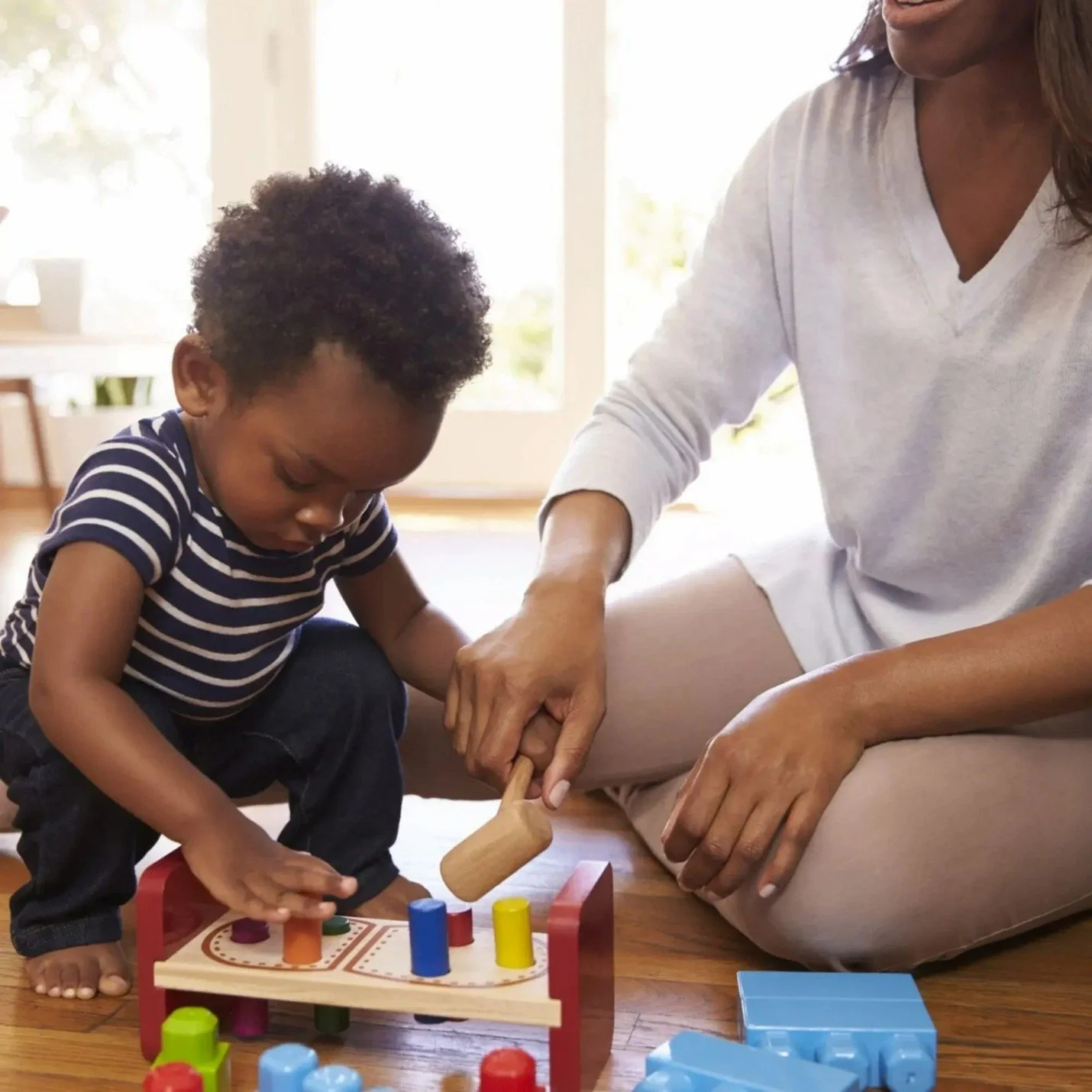
In-home speech therapy allows communication skills to grow in a child’s natural environment.
Why In-Home Speech Therapy Matters
The home environment makes therapy part of your child’s real life, not something separate or scripted.
When sessions happen at home, I get to see your child right in their world. They are surrounded by their favorite toys and books, familiar routines, and people they love most. It’s where real communication happens.
The Benefits of Speech Therapy at Home
Here’s what that means in practice:
I get to· see communication in action. I can observe natural routines such as playtime, mealtime, and story to truly understand how your child interacts and communicates with you. The home environment allows therapists to address real-life routines and environmental factors affecting language development in meaningful ways.
I can coach families in real time. Instead of describing strategies in a clinic lobby after a speech therapy session, I can show you exactly how to model strategies like giving a choice of two or pausing to encourage communication, right when those moments naturally happen.
I meet your child where they are. Some days that means sitting on the floor, other days it means joining your child as they move, or chatting with them while they enjoy breakfast.
Home-based speech therapy is flexible, responsive, and centered around your child’s unique world. That’s exactly how therapy should be; real, connected, and full of joy.
How Play-Based Therapy Supports Language Development
WHAT A SPEECHIE AUNTIE SESSION LOOKS LIKE
No two sessions are ever the same because every child and every day is different. Before each visit, I plan meaningful activities based on your child’s goals, interests, and current progress. When I arrive, we dive into those activities or follow your child’s lead, depending on what feels right that day for your child. Children learn and retain the most when they’re truly engaged.
Here’s what that looks like in action:
1. Connection Comes First
The very first thing I do is connect. We might sing a silly song, play peek-a-boo, or start with a favorite toy. Building comfort and trust is always step one. When your child feels safe and happy, real communication starts to flow. Addressing communication needs early can also reduce communication frustration and behavior challenges over time.
2. Play With Purpose
Most of our session looks like play and that’s exactly the point. Play drives communication. We might read The Very Hungry Caterpillar, feed a stuffed animal, or blow bubbles together. Through these simple, joyful moments, we’re practicing real communication skills like turn-taking, requesting, labeling, following directions, answering questions, and using gestures or AAC.
3. Coaching in the Moment
You’re part of every session too. I love showing families how to build language into the things you already do every day such as snack time, playtime, or getting dressed in the morning. I model strategies right there in the moment so you can see how easy (and fun) it can be to keep the learning going after I leave.
4. Flexible and Fun
Some days your child wants to sit and read together. Other days, they’re on the move. This is okay, too. We might shift to the kitchen table, the backyard, or the playroom floor. Therapy flows naturally with your child’s energy and interests, because when they’re engaged and having fun, that’s when real growth happens.
The Role of Caregivers in In-Home Speech Therapy
WHY IT MATTERS
This collaborative model often includes a parent coaching approach, empowering caregivers to support communication throughout daily routines. Therapy at home helps your child learn that communication is not just something to practice. It’s something to enjoy. When a child feels seen, heard, and supported in their own space, progress happens naturally.
Families often share beautiful moments with me, such as :
“She said “daddy” for the first time.”
“He started asking for “more” at dinner.”
“He is using his AAC app to say “hi” all by himself.”
These milestones may look small on paper, but they’re huge steps in helping your child communicate independently.
Using Daily Routines to Build Communication Skills
THE SPEECHIE AUNTIE DIFFERENCE
I believe speech therapy should be child-led, play-based, and neurodiversity affirming. I am always focusing on connection before correction. By blending evidence-based practices with real-life routines, home-based therapy helps families grow communication skills that last far beyond the session.
When to Consider In-Home Speech Therapy
READY TO SEE WHAT SPEECH THERAPY LOOKS LIKE FOR YOUR FAMILY?
If you’ve been wondering whether speech therapy might help your child, or if you’re simply curious about what home-based sessions feel like, let’s connect.
Reach out to learn more about Speechie Auntie’s home-based speech therapy services or to schedule a complimentary in-person consultation.
Together, we’ll help your little one find their voice- right at home.
FAQ: In-Home Speech Therapy for Toddlers
What happens during in-home speech therapy sessions?
In-home speech therapy sessions are play-based and child-led, using the child’s own toys, routines, and environment to build communication skills. Therapy often includes modeling language, expanding vocabulary, supporting social interaction, and coaching caregivers on how to encourage communication throughout daily activities.
Is in-home speech therapy effective for toddlers?
Yes. In-home therapy is highly effective because it takes place in a familiar environment where children feel comfortable and engaged. Skills learned during sessions are easier to generalize into real-life routines like mealtime, bath time, and play.
Do parents participate in in-home speech therapy?
Caregiver involvement is a key part of in-home therapy. Parents and caregivers observe sessions, learn strategies, and receive coaching so they can continue supporting their child’s communication development between visits.
How do I know if my child needs in-home speech therapy?
If your toddler has limited vocabulary, difficulty expressing needs, frequent communication frustration, or delayed language milestones, an evaluation can help determine whether speech therapy services would be beneficial.
What ages benefit most from in-home speech therapy?
Early intervention is especially impactful for toddlers and preschoolers, as language development is rapidly growing during these years. Starting therapy early can support stronger long-term communication outcomes.
Families in Leander, Cedar Park, and North Austin often choose in-home speech therapy for its personalized, relationship-based approach.
Families interested in learning more about in-home speech therapy services can explore support options here.
Written by Sonia Chowdhury Lopez, MS, CCC-SLP
Owner and Speech-Language Pathologist at Speechie Auntie
