

THE SPEECHIE AUNTIE BLOG
A PLACE TO LEARN ABOUT ALL THINGS SPEECH AND LANGUAGE RELATEDSpeechie Auntie’s blog offers education and support for families navigating toddler speech, language development, and preschool readiness. Articles are written with parents in mind, especially those in Leander, Cedar Park, and surrounding communities seeking practical, evidence-based guidance.

5 More Everyday Activities at Home That Help Your Toddler Learn to Talk Naturally
Everyday routines like folding laundry can become powerful opportunities to build your toddler’s vocabulary, understanding, and communication skills, no flashcards or special toys needed.

How to Help Your Toddler Talk: 5 Everyday Speech Therapy Activities at Home
Wondering how to help your toddler talk? Discover five everyday speech therapy activities you can use during routines you're already doing at home. From mealtime to bedtime, learn simple, practical strategies that naturally support language development, no flashcards, worksheets, or expensive materials required.

WHY PARENT COACHING IS ONE OF THE MOST IMPORTANT PARTS OF SPEECH THERAPY
Speech therapy doesn't end when the session does. Learn how parent coaching and caregiver coaching empower families to support communication during everyday routines, helping children with speech delays, autism, language delays, and AAC make meaningful progress throughout the week.
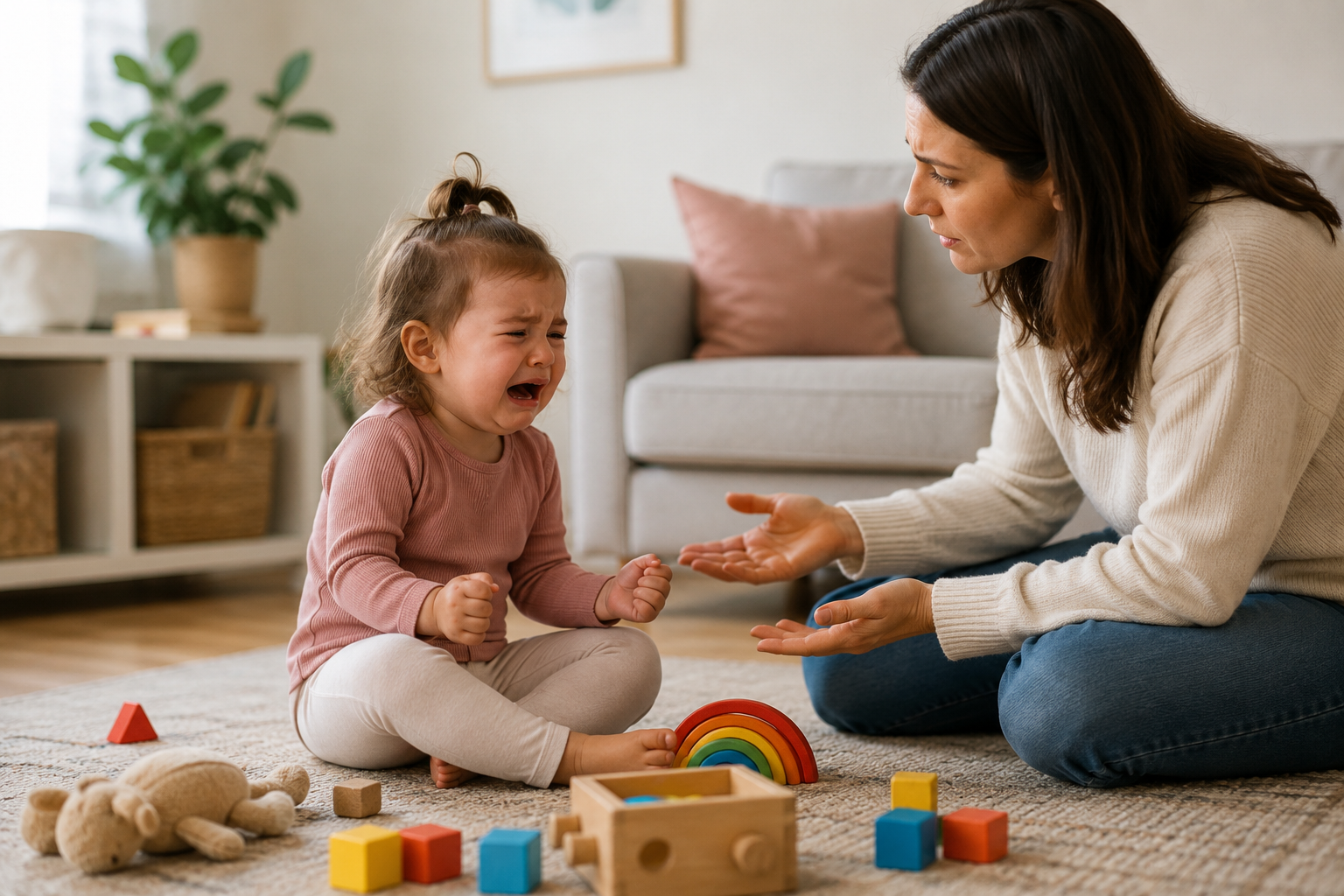
Behavior Is Communication: What Your Child Is Really Trying to Tell You
Wondering why your toddler hits, screams, bites, or has frequent meltdowns? Learn why behavior is communication and how speech delays, autism, and limited communication skills can influence challenging behaviors. Discover practical, family-centered strategies from a pediatric speech-language pathologist serving Leander and surrounding communities.

Why Consistent Speech Therapy Matters for Toddlers and Preschoolers
Speech therapy is most effective when it is consistent, individualized, and carried over into everyday routines. Learn why regular attendance matters for toddlers and preschoolers and how consistent therapy supports communication progress over time.